
There’s no doubt about it: there is only a limited amount of fossil fuel in the world. Even running around in hybrid or purely electric vehicles may only go part of the way towards solving the problem, depending on how the electricity used to power the cars in question is generated. If the electricity is generated by an oil-fuelled generator, electric cars merely move the issue of burning fossil fuels further along the production line. If the electricity is generated using something sustainable, then that’s less of a problem.
Enter biodiesel and other biofuels. Biodiesel is almost just like normal diesel except that it can be refined from vegetable and animal fats. At the moment, these oils are a tad more acidic than regular diesel, so biodiesel, if used pure (B100) has a tendency to wear out the rubber hoses and gaskets inside your vehicle. Car manufacturers are beginning to respond by making cars with bits that can handle biodiesel, but at the moment, only a few cars can handle pure B100. The Saab 93 Biopower is one example. Most require a blend, although this may be starting to change. Car manufacturers aren’t stupid.
The other main biofuel is ethanol, which can be mixed with petrol and used to power that sort of engine. Ethanol is an alcohol produced by fermenting suitably sugary feedstocks. It’s really popular in Brazil, which has a massive sugarcane industry and all petrol in Brazil has at least 25% ethanol in it. We use a bit over here, too, also using waste from the sugar industry, although we don’t use as much as Brazil does.
However, all is not rosy in the world of biofuels and biodiesel. Yes, a good chunk of waste bits and pieces can be used to produce biodiesel and ethanol. However, leftovers aren’t going to be enough to power the world’s fleet of vehicles. This means that feedstock will have to be grown somewhere. There’s only a limited amount of land, so feedstocks are going to compete for land and water (and other resources such as fertiliser and labour) with crops grown for human consumption and for animal consumption. This is where a lot of research is being concentrated: how can we solve this problem?
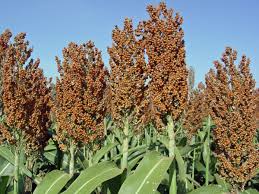
Sorghum – a potential FFF plant.
One thing that is being researched in this area is finding suitable plants that are multipurpose – the so-called FFF (Food, Fodder and Feedstock) varieties. There’s been some pleasing results with varieties of sorghum, a grain used widely in Africa, where the grain is used for people, the leaves are fed to cattle and the sugary stems are used for ethanol production. Research is looking into which varieties are the best and whether or not breeders can come up with the perfect variety. Sweetcorn is another potential FFF plant. Along the same lines, they’re looking into plants that can be grown on not-so-hot land and thus taking up fewer resources – a recent paper published in the specialist journal Biotechnology for Biofuels proposed agave cactus as a possibility.
Another strand of research is looking into finding bacteria that do a great job of fermenting waste material and turning it into ethanol. If they can find some really good strains that can ferment just about any plant material, then this widens the scope for what can be used as feedstock.

The Jatropha bush.
On the biodiesel side of things, as well as hunting for crops that produce decent oil but don’t compete for resources too heavily. So far, the best crop is the jatropha shrub, which doesn’t mind drought, is poisonous enough to not have many pest problems and produces a really oily nut. The leftovers after the nut has been pressed for oil can be used for other bits and pieces, such as pesticides, medicines (yep) and as an ethanol feedstock. The issue here is that jatropha wasn’t originally a crop plant, so they’re working on finding good varieties that grow well on marginal land but produce a whacking big crop.
Also on the biodiesel front, they’re looking into algae. Some algae are oilier than you might think and could be used to produce biodiesel. The good thing about algae is that they can be grown on land that’s useless for farming other things, and they can be grown on wastewater – settlement ponds at the local sewage works are looking very promising so far. Of course, they’ve got to find the right strains of algae that produce the most oil, improve the extraction and harvesting process, and find a way to do all this commercially.

Algae even looks green.