
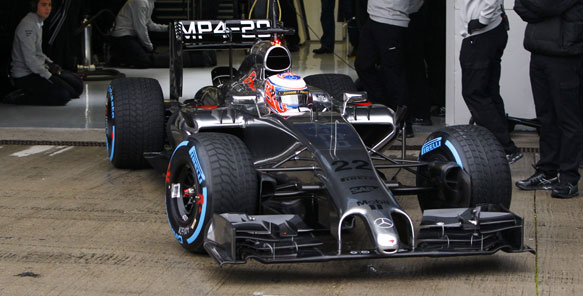
F1 in 2014 was not the most attractive the sport has ever been, for many reasons. Image Credit: Autosport.com
Formula One has and will probably always be the premier motorsport on the planet. However, followers of my writing will notice that it is an area I would usually avoid due to the overriding political nature of the sport, coupled with my general dissatisfaction with the its quality over the last few years. Nevertheless, sometimes something will catch my ever gazing eye, drawing me in like a middle aged man to a Porsche dealership. On this particular occasion, I have read headlines using phrases like ‘making F1 more exciting and dramatic’ and I just couldn’t resist. On top of this is the crushing inevitability of disagreement amongst the teams regarding the implementation of these changes. I think it is time to examine this in more detail.
Before I get into the nitty-gritty of this latest news story, I feel like an explanation is needed as to why I have chosen to relight my journalistic fire in the glamorous world of Formula One. For the last few years, I have held the belief that the sport was getting too repetitive, with too much of a focus on the technical aspects (tyre use, fuel consumption, general pit lane politics). While all of these make for fascinating elements of motorsport, when they begin to detract from the actual racing itself, then they start to become an issue. When the only real overtakes happen in the pits, something is clearly wrong.
Furthermore, with this new “Eco-F1” era we have entered, the cars have become too quiet. And as much as the racing itself has improved the repetitive nature of “Oh look another pole” and “Shock horror they have won” still persists, except these days ‘they’ are Mercedes instead of Red Bull. Considering all of this it comes as no surprise that when I read the plans to reinvigorate F1, my attention was instantaneously obtained.
So what are these proposed changes:
– Wider Cars (2000mm instead of the 1800mm as it is now)
– Lower Rear Wing
– Wider Rear Tyres
– An increase from 850BHP to 1000BHP
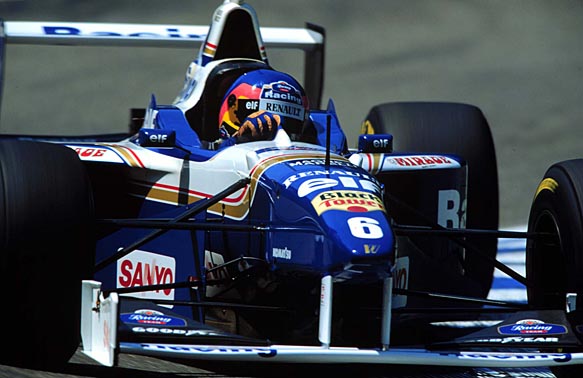
The new changes would give the cars the classic look of the 1990s. Image Credit: Autosport.com
My first reaction to these proposed changes was to question the reasoning behind them. For any fan of motorsport, the increase in BHP requires no justification; as Jeremy Clarkson says so poetically, “POWER!” There are probably very few racing enthusiasts that would be against the idea of 1000BHP. It may only be 150 more than before, but there is something so dramatic and gargantuan about 1000. Even for a casual fan of cars, if I was told that there was a sport where cars were racing with 1000 BHP, I would be an instant convert.
It is with the thought of drama and excitement that the other changes have too been proposed. Having cars that are both lower and wider would return them to the aesthetics of the 90s. When Villeneuve won the world title in 1997, he was the last driver to do so when the cars had a maximum width of 2000mm. The general thinking is that returning to a look synonymous with such an iconic era of the sport will pull in new fans, new audiences and of course more money.
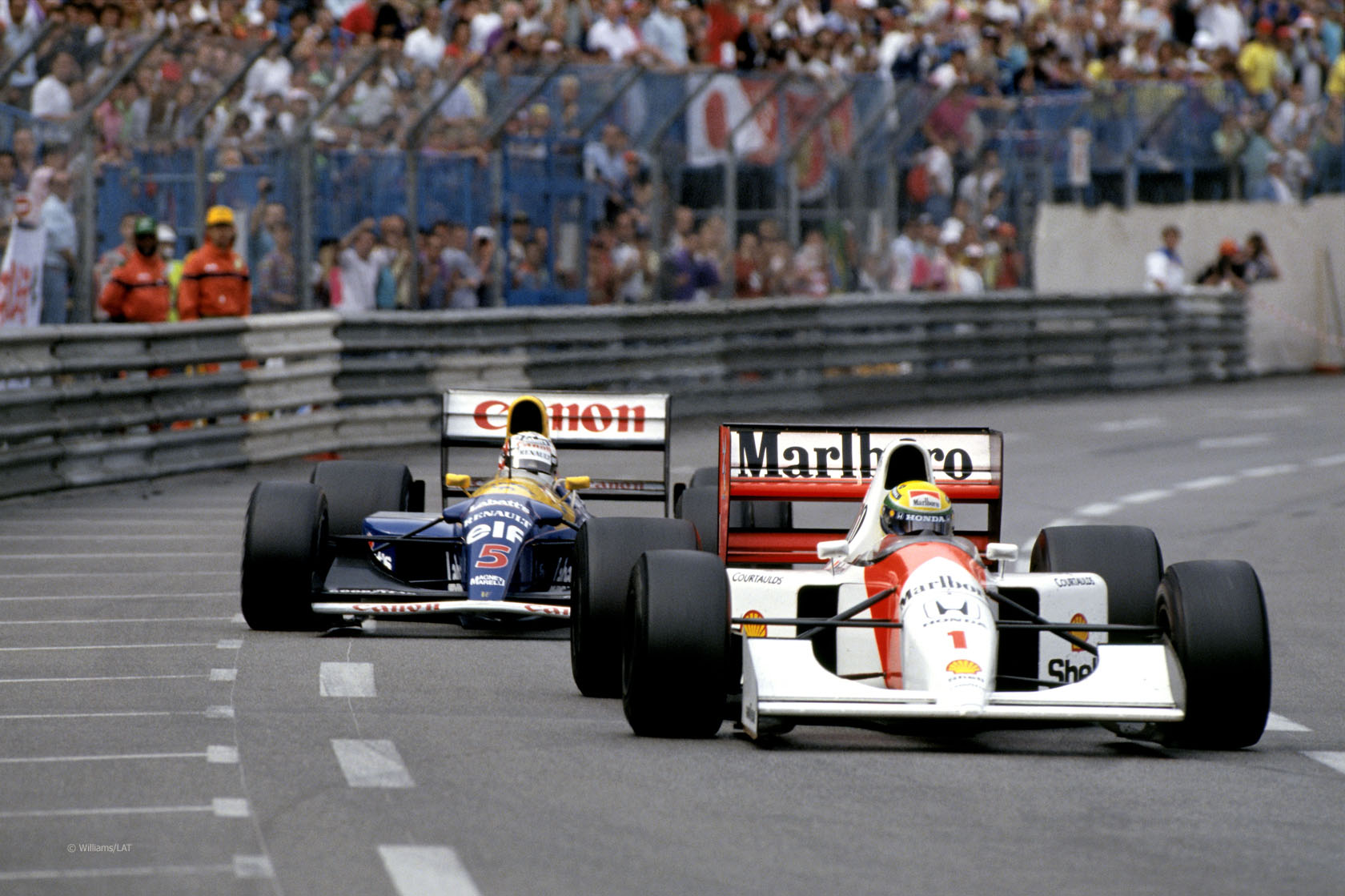
Can we learn from the simplicity of the 90s? If the cars will look like it anyway.. Image Credit: F1Fanatic.co.uk
The modern world wishes to progress headlong into the future, yet the current trends appear to be everything ‘retro’. Whether it is your East London retro clothes stores, the recent Queen comeback and world tour or even the remake of old film franchises, it is currently considered ‘the thing’ to look to the past to be fashionable and modern. Ironic right? Essentially, the thinking behind all these new changes to F1 is to simultaneously address the current issues with the sport while also attracting new audiences. And you know what; I think this ‘historic rejuvenation’ as it were may just be what Formula One has needed. With the new engines and regulations of 2014, the sport became greener on the one hand, but also quieter, more boring (thanks to Mercedes) and magnificently less attractive.
Despite what these changes may or may not mean for Formula One, the biggest talking point is the disagreement between the teams regarding the implementation of these new regulations. Christian Horner and Red Bull believe that the changes should come into effect as of 2016, whereas Mercedes say that it should be 2017 at the earliest, coupled with the need for research to find out what the public really want. In between both of these, it is fair to say that Ferrari occupy the middle ground.
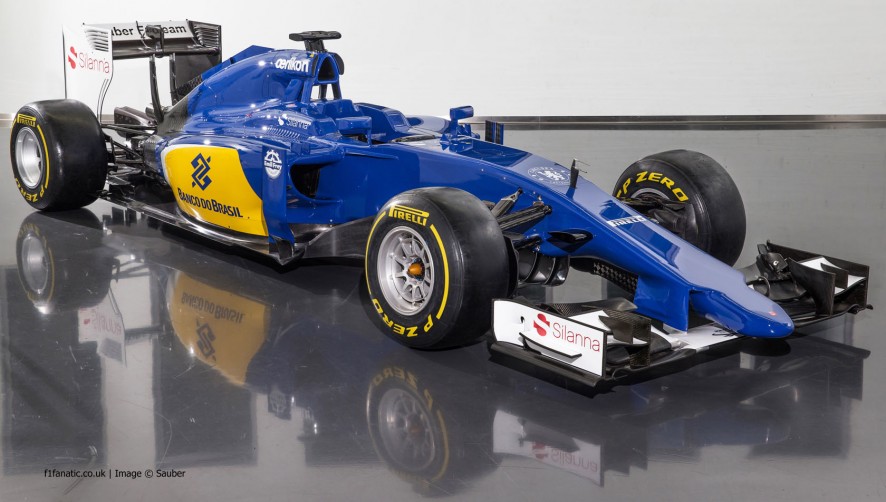
Mercedes are worried that a 2016 introduction will have a detrimental effect on the 2015 season. Image Credit: Sauber
The position of these three teams is so obviously shrouded yet again in F1 politics, and can all be explained as such. Mercedes in 2014 had the far superior car and want to retain that advantage for years to come; if they can delay the introduction of these new rules they can do once again what they did for 2014 and come in with a dominant near-unbeatable machine. Mercedes have claimed that if these new rules came into effect in 2016, it would make the teams stop developing their cars and focus on the new model, but this to me smells of male bovine excrement. I very much doubt that Mercedes genuinely care too much about the public enjoyment over the substantial business and ego advantages of being the top team in the top race series in the world. And on the other hand Red Bull used to be the dominant team and is now jealous that they must play second fiddle to Mercedes, so want the changes to happen as fast as possible to equal out the playing field. Finally there is of course Ferrari who has not really been in much of a competitive position the last few years, hence their occupation of the middle ground. All quite simple really!
At the end of the day, disregarding the politics surrounding the news I have to say that I am excited by these changes. I am not usually a fan of anything ‘retro’ but I do think these changes are the missing link to this new era of Formula One. By making the cars look more like they did in the 1990s, it will remind the audiences of a time when it was all about the racing without all the political ramblings that have since taken over. In 2014, the cars were made quieter and given suggestive noses yes, but they were made more eco-friendly and faster in some respects. Upping the power and redesigning the aesthetics of the car may just be the final piece in the jigsaw to make the sport as great as it once was.
Follow me on Twitter for all my latest motorsport ramblings @lewisglynn69
Keep Driving People!
Peace and Love!